The Ultimate Guide to Flower Delivery in Tel Aviv
Excellence in Every Petal Choosing the right florist in a vibrant, fast-paced city
Floristry is far more than arranging flowers. It is the combination of craftsmanship, design, creativity, technical knowledge, and a deep understanding of nature.
A professional florist works with color, texture, proportion, movement, and seasonality to create floral compositions that communicate emotion, beauty, and meaning.
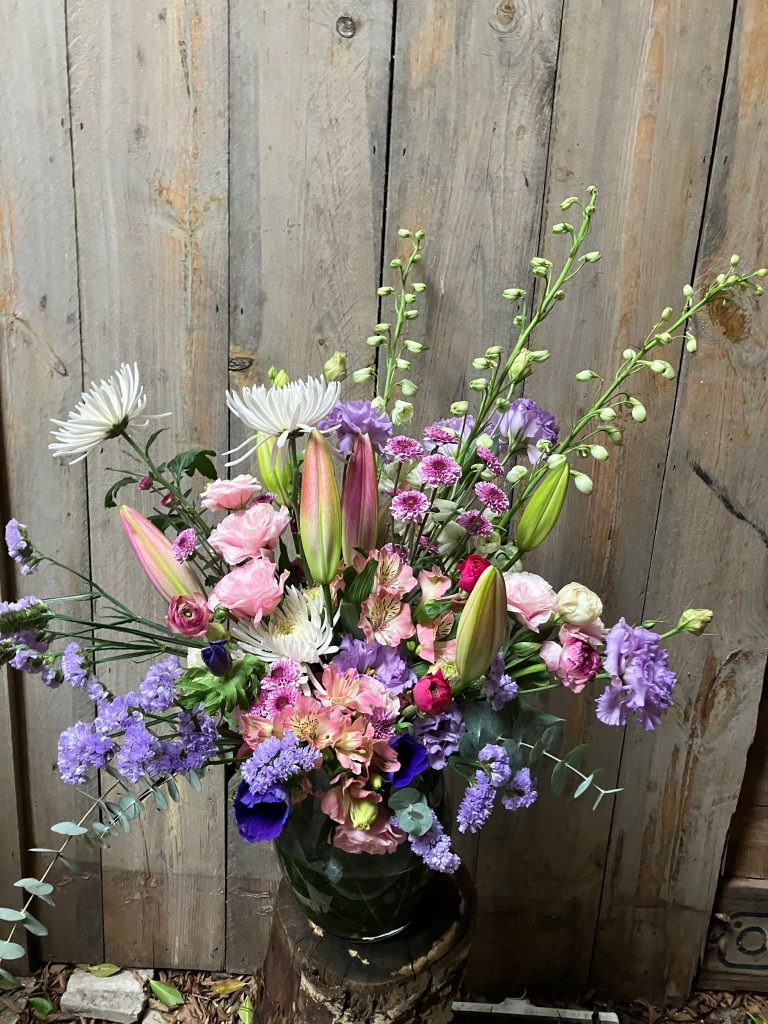
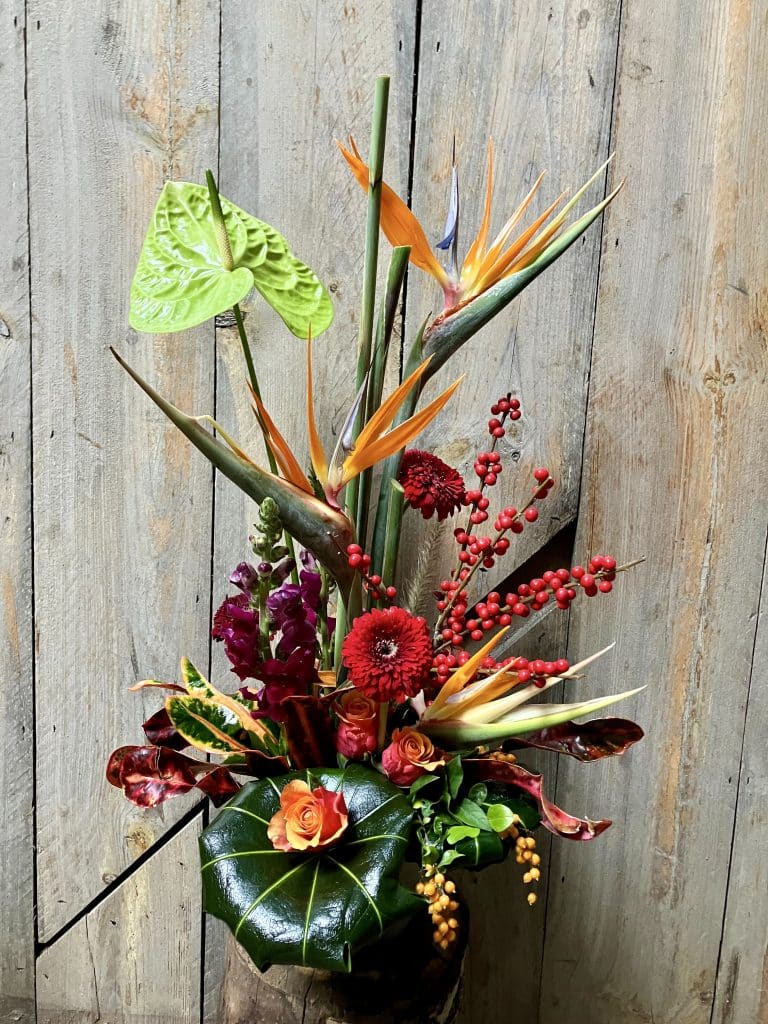
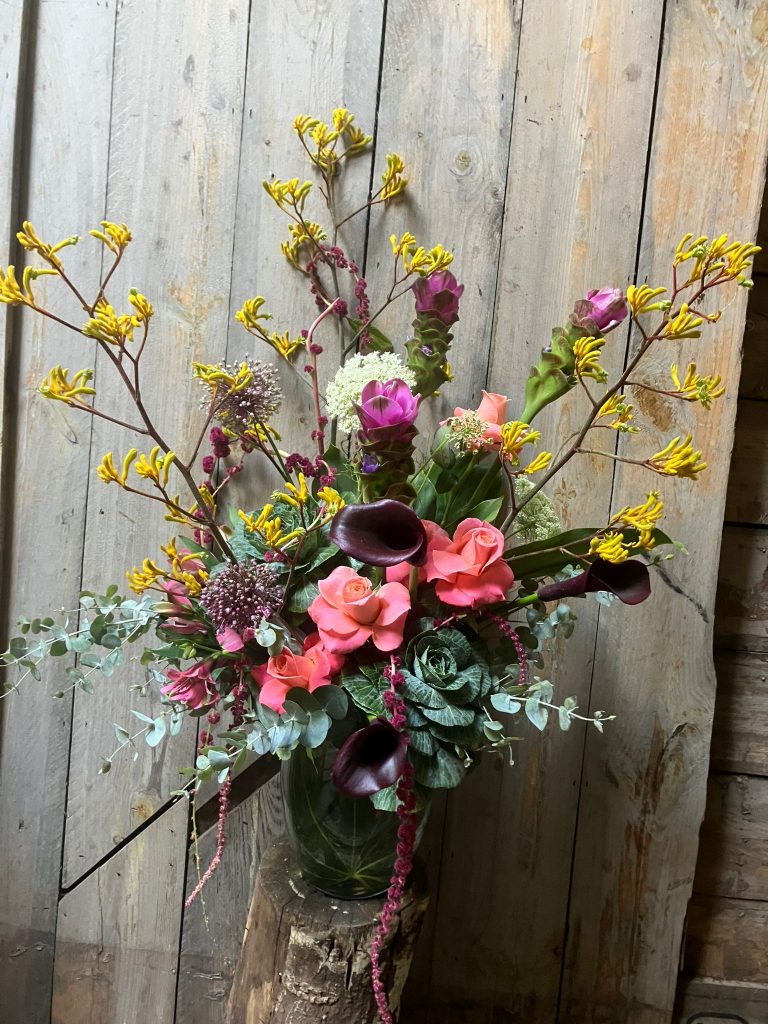
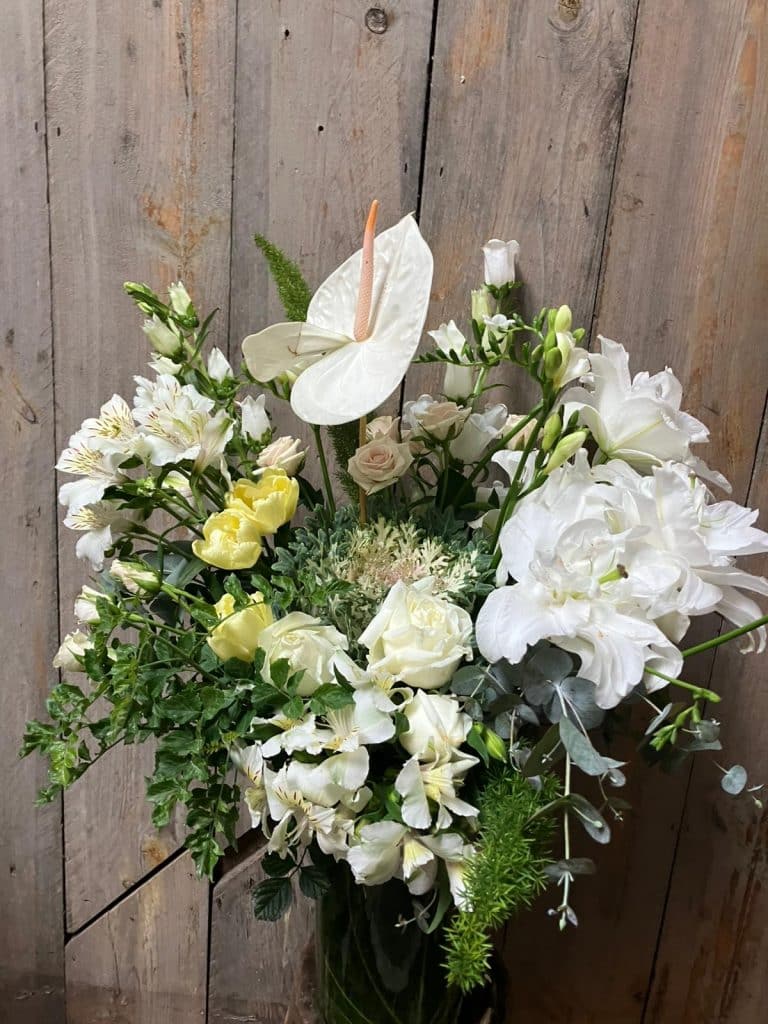
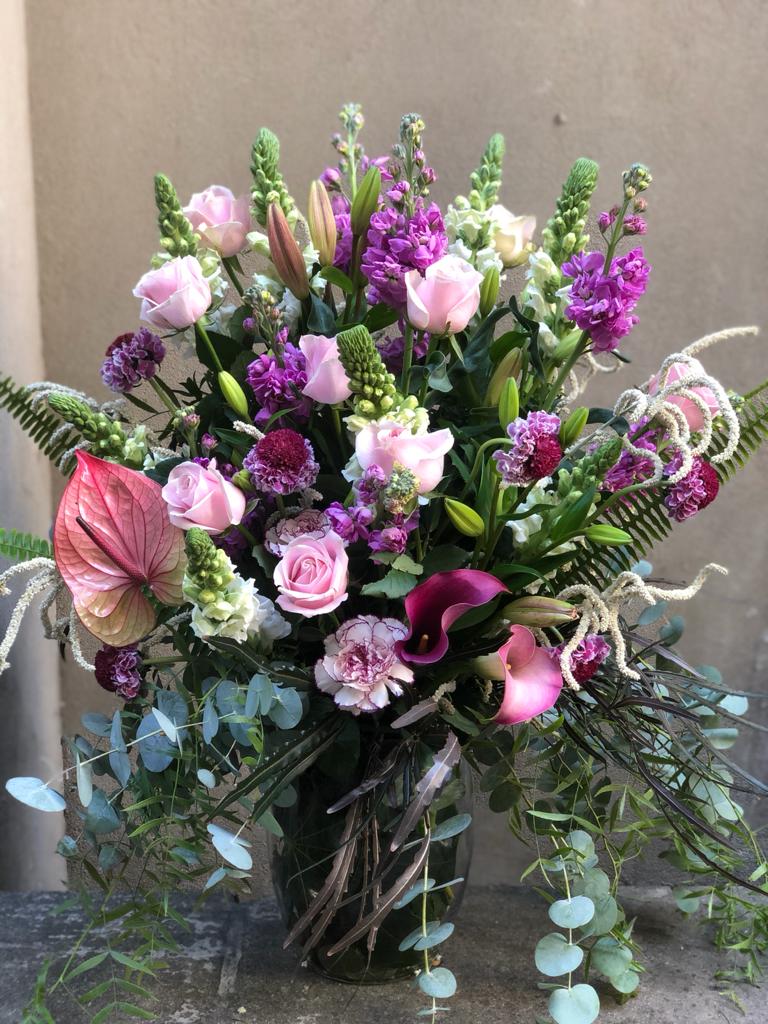
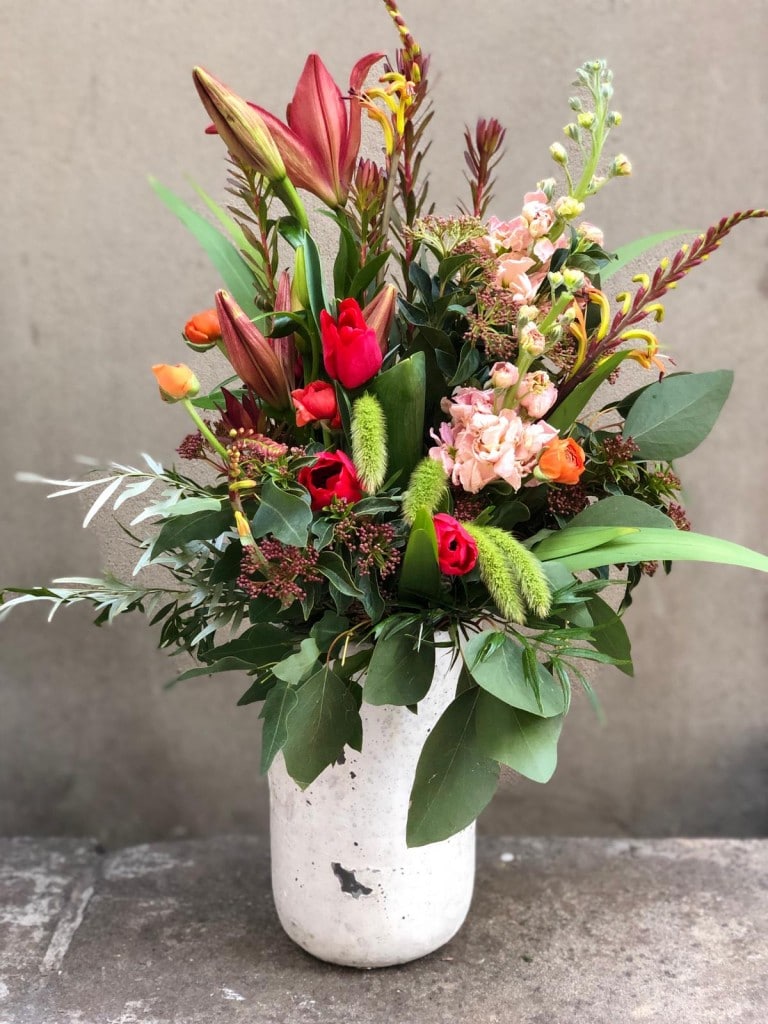
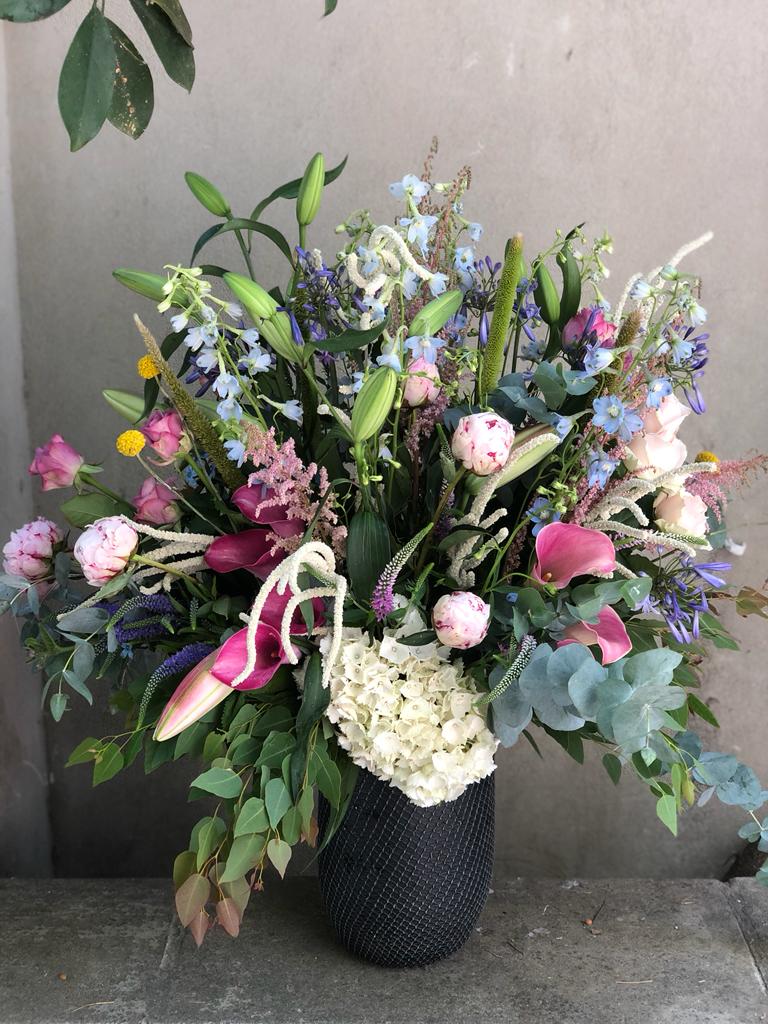
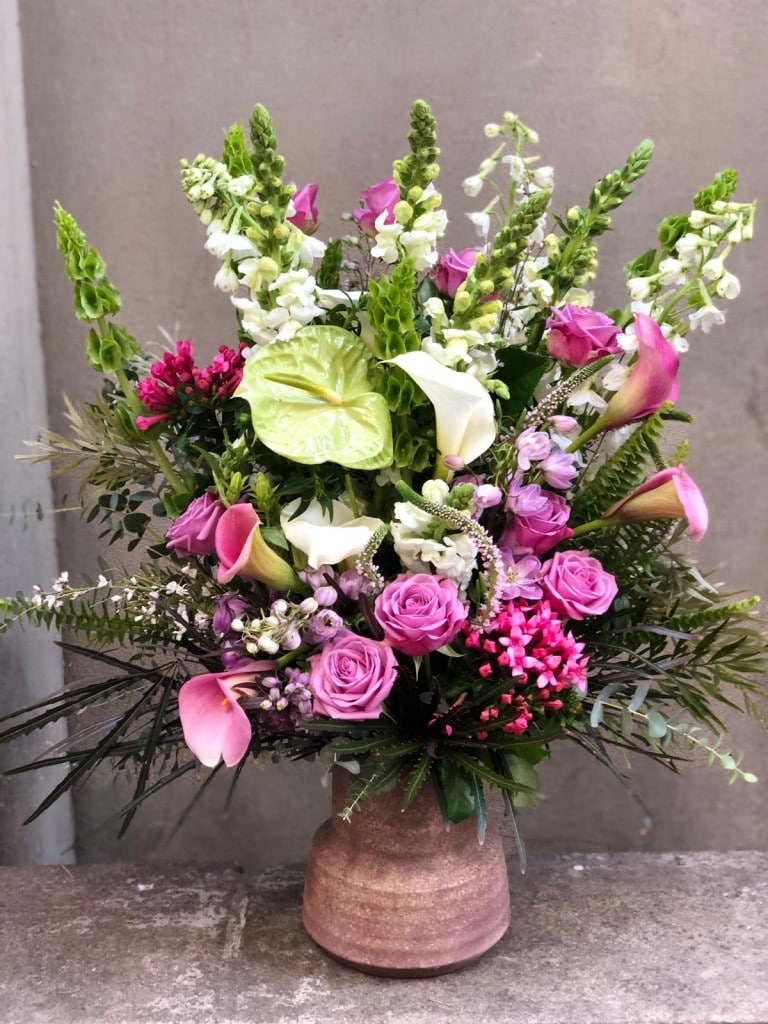
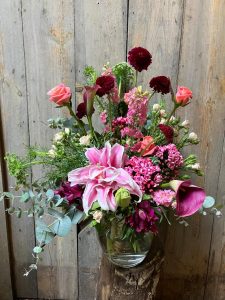
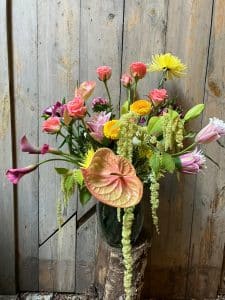
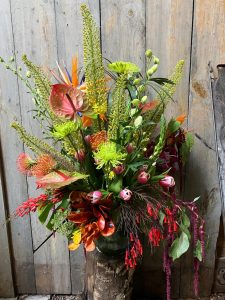
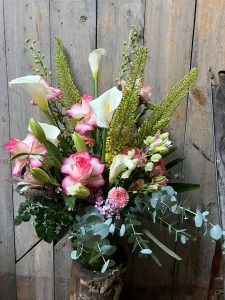
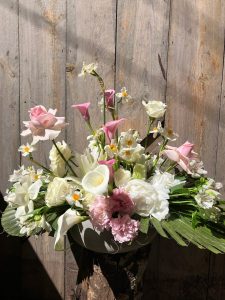
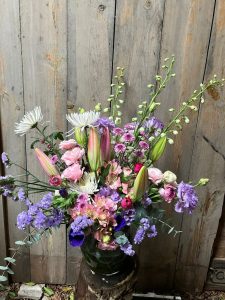
At Amaryllis, floristry is approached as both a craft and an art form. Every arrangement begins with thoughtful flower selection and is guided by principles of balance, harmony, and contemporary floral design.
Flowers communicate emotions without words.
A florist helps translate those emotions into floral design.
Different occasions require different approaches, different flowers, and different design decisions.
An arrangement created for a romantic celebration may emphasize softness, movement, and warmth, while a corporate floral composition may focus on structure, refinement, and sophistication.
Professional floristry begins with understanding both the flowers and the story they are meant to tell.
One of the most unique aspects of floristry is the balance between artistic expression and natural beauty.
Flowers already possess color, fragrance, texture, and character.
The role of the florist is not to overpower nature but to enhance it.
Professional floral design seeks to highlight the natural beauty of flowers while creating harmony between individual elements.
The most successful arrangements often appear effortless, even though they require extensive planning, technical skill, and artistic judgment.
Every flower contributes something different to a composition.
Some flowers create structure.
Others provide softness, movement, texture, depth, or visual impact.
Professional florists carefully evaluate each flower for its role within the overall design.
Thoughtful flower selection often determines whether an arrangement feels ordinary or exceptional.
The ability to recognize how different flowers interact with one another is one of the defining skills of an experienced florist.
Color is one of the most important tools available to a florist.
Professional floral design considers:
* Contrast
* Harmony
* Mood
* Depth
* Seasonal influences
* Emotional impact
Soft neutral palettes often create calmness and elegance.
Bold color combinations create energy and visual excitement.
The right palette helps communicate emotion and shape the experience of the arrangement.
Finishing Details
Refining every element until the arrangement feels complete and cohesive.
These details are often what distinguish professional floristry from simple flower arranging.
Seasonal flowers are at the heart of contemporary floristry.
Working with flowers at their natural peak often provides:
* Better freshness
* Greater character
* More vibrant colors
* Stronger visual impact
* More distinctive floral compositions
Seasonality allows floral design to evolve naturally throughout the year and ensures that every season brings new inspiration and creative opportunities.
Modern floristry has evolved significantly over the years.
Contemporary floral design often emphasizes:
* Natural movement
* Organic forms
* Seasonal materials
* Artistic expression
* Refined color palettes
* Visual storytelling
Rather than forcing flowers into rigid structures, contemporary florists allow natural shapes, textures, and growth patterns to influence the final composition.
The result feels elegant, modern, and timeless.
Professional floral design is not limited to gifts and celebrations.
Flowers are frequently used to enhance:
* Private homes
* Luxury residences
* Hotels
* Restaurants
* Offices
* Hospitality environments
* Event spaces
The right floral composition can influence atmosphere, create warmth, add character, and elevate the experience of a space.
The difference between flowers and floral design is expertise.
Professional floristry combines:
* Technical knowledge
* Creative vision
* Flower expertise
* Design principles
* Seasonal understanding
* Artistic judgment
Customers often choose professional floral design because it creates a stronger emotional and visual impact than flowers alone.
The difference is often visible immediately.
Floristry continues to be appreciated around the world because it combines craftsmanship with creativity.
Every flower is unique.
Every season is different.
Every arrangement presents new opportunities for artistic expression.
The best florists understand how to combine knowledge, experience, creativity, and technical skill to create floral compositions that feel both beautiful and meaningful.

Excellence in Every Petal Choosing the right florist in a vibrant, fast-paced city

How to Choose the Right Flower Shop (Expert Guide 2026) Looking for the

What Makes a Bouquet Look Expensive (2026 Guide) If you’re looking for luxury

Best Flowers That Last Long in Hot Weather (2026 Guide) If you’re planning

How to Choose the Right Bouquet for Any Occasion (Complete 2026 Guide) If

Complete Guide for Every Occasion – Israel & Tel Aviv 2026 If you’re
📍 Ben Yehuda 81, Tel Aviv
🕖 Open Daily: 07:00–23:00
Order Flower Delivery in Tel Aviv Today
A flower shop is a business that sells flowers. A florist is a professional who specializes in flower selection, floral composition, color harmony, and floral design. Professional floristry focuses on creating arrangements that combine beauty, structure, seasonality, and emotional meaning.
A florist considers flower varieties, seasonality, texture, color harmony, longevity, occasion, and overall composition. Every flower is selected for a specific purpose within the design.
Contemporary floristry embraces natural movement and organic forms. Professional florists use composition techniques that allow flowers to appear balanced, effortless, and visually harmonious rather than rigid or overly structured.
Seasonal flowers are often fresher, more vibrant, and more distinctive. Working with seasonal materials allows florists to create arrangements that reflect the beauty and character of a specific time of year.
Contemporary floristry focuses on natural forms, movement, texture, artistic expression, and refined color palettes. Traditional floral styles often emphasize symmetry and formal structure.
Color influences mood, atmosphere, and emotional response. Florists use color intentionally to create harmony, contrast, elegance, warmth, or visual impact depending on the purpose of the arrangement.
Many people view floristry as a combination of craftsmanship, design, and artistic expression. It requires both technical skill and creativity to create meaningful floral compositions.
Professional florists consider every detail, including flower selection, composition, balance, texture, movement, and finishing touches. These elements work together to create arrangements that feel refined, natural, and memorable.